
How Event Decor Influences Guest Experience
The Silent Language of Decor
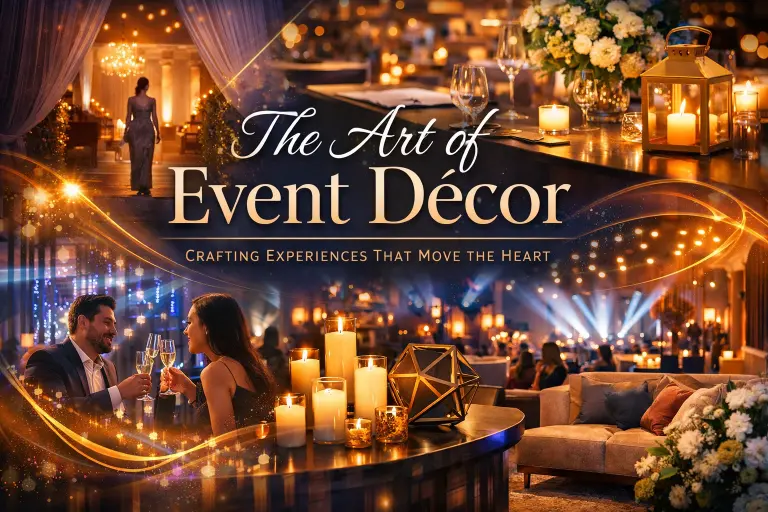
Before the program even begins, the silent language of decor already speaks to everyone at an event. The moment guests step inside, their senses start interpreting visual and emotional cues—from lighting and colour to movement, texture, and even sound. In my experience working within the world of event planning services, décor becomes the first storyteller. It quietly sets expectations, primes emotions, and signals whether the environment will feel bold and high-energy or calm and intimate.
“For modern brands and corporate gatherings, professional event management services focus on building an emotional foundation that helps people truly resonate with the atmosphere. Thoughtful design shapes the overall experience, guiding guest engagement, encouraging connection, and leaving behind a lasting memory. When décor aligns with purpose and storytelling, it transforms a simple gathering into something genuinely unforgettable”
Why Decor Influences Human Emotion
The psychology behind décor shows how design directly influences human emotion, because people are naturally responsive to the environments around them. Even small shifts in design can create a big change in mood and behaviour. Through sensory perception, the brain makes first impressions and often forms an impression in under a second. I’ve seen how a cohesive entrance can instantly elevate a gathering from a standard corporate setup into a high-touch experience, something many planners, Toronto agencies, and organizers across the country carefully design to shape the atmosphere and overall tone.
Good décor works through emotional priming using strong visual choices. Warm colours build excitement, while cool tones help calm the mind; layered textures create physical comfort. With strategic lighting, designers guide attention toward highlights, pathways, social hubs, or product showcases, creating truly immersive environments. When guests experience such spaces, the setting can trigger openness, encourage play, spark curiosity, and support collaboration. When décor aligns with the event purpose, people don’t just attend—they actively engage.
The Emotional Journey: Designing for Each Phase of the Event
Every successful event follows an emotional journey, and thoughtful designing considers each phase as part of a natural arc that helps guide guests from start to finish. From arrival, décor builds anticipation and a subtle spark the moment people enter through clean sightlines and visually engaging check-in areas. A strong signature branded installation introduces the brand identity, creating a powerful first impression before guests move deeper into immersion within the main space, where layout choices heighten focus during talks while still maintaining intimacy for networking in comfortable lounges.
As the event builds momentum, décor helps celebrate interaction through well-designed decor that directs attention toward connection zones. I often use strategic seating, warm lighting, and smaller pockets with interactive touchpoints to encourage conversation and real relationship-building. Toward closure, guests need a meaningful takeaway, so a final visual cue, a shared photo moment, or a thoughtfully styled memorable exit pathway helps cement long-term recall. When done right, décor transforms events into living stories people happily carry long after they leave.
Core Decor Elements and the Emotions They Shape
Every successful setup begins with core decor elements that directly influence the emotions they shape. Colour psychology helps energize, calm, or inspire guests depending on the goal of the event. Vibrant hues naturally encourage movement and active participation, while soft neutrals ground visual palettes for more immersive brand launches. Lighting works like a silent mood architect—it can soften, dramatize, or reveal key moments, helping to spark excitement and add emotional depth. Thoughtful placement also defines pathways, making spaces comfortable for navigating, while expert decor management ensures the overall ambience feels intentional rather than accidental.
A strong design concept, such as a Celestial Soirée installation, can feel almost sculptural and completely transform a room’s rhythm. The spatial layout, guest flow, and event function must stay clear and intentional, allowing attendees to mingle, discover, and enjoy natural pacing. Leading companies now prioritize materials and textures as part of tactile storytelling—from plush fabrics that feel inviting, to metallics for sophistication, and natural wood adding warmth. Small signature details make events unforgettable, whether through custom, playful, or unexpected touches. When creativity meets smart strategy, great décor truly excels, turning services into meaningful experiences.
How Decor Drives Engagement, Not Just Aesthetics
Great decor does more than look good—it truly drives engagement beyond simple aesthetics. Event psychology shows how design directly influences guest behaviour, especially when interactive features create natural discovery zones. These experiences invite people to touch, explore, and play, which helps increase emotional involvement and longer dwell time. I’ve seen that photogenic spaces not only feel beautiful but also encourage social sharing, turning a single installation into content that amplifies an event’s reach far beyond the venue itself.
Strong décor also guides participation through clear signs and easy-to-navigate layouts that naturally lead guests toward attractive activities. In modern corporate events, thoughtful management focuses on building real emotional resonance, because stronger brand recall comes from a meaningful connection with the event purpose rather than decoration alone. When décor supports interaction, people don’t just attend a gathering—they become part of the experience.
Case Insight: A Walkthrough of a Well-Designed Guest Experience
A strong case insight often comes from a real walkthrough of a well-designed guest experience. Imagine a corporate team that welcomes 500 attendees to a year-end celebration. Instead of a typical ballroom setup, planners created a thematic experience using interactive pods across the venue, each spotlighting ideas like inspiration and collaboration. With soft lighting and clearly guided movement from one zone to another, guests followed a carefully curated journey rather than standing in one place.
The result was clear—higher interaction, longer dwell time, and more meaningful conversations. Guests described the evening as refreshing, unexpected, and truly memorable, showing decor psychology in real action. From my professional observation, great event services treat décor not as an accessory, but as a strategic tool that quietly shapes how people connect and remember the event.
A Practical Framework: Designing Emotion-First Events
A practical framework for designing emotion-first events begins with clear thinking before decoration starts. Whether partnering with a corporate organizer, an agency, or planning in-house, keep the process simple—first define the emotional goal. Do you want guests to feel energized, inspired, or connected? Then map the guest journey and break it into key moments like arrival, engagement, connection, and close. Every decision should be curated with intention, ensuring each element helps support the emotional arc of the event.
Before launch day, test the atmosphere early by taking a full walk through the space to check lighting and guest transitions. Always create a signature visual anchor people will remember and talk about afterward. This mindset naturally elevates decoration ideas, transforming them into sophisticated experiences suitable even for complex multi-day gatherings where emotion guides every design choice.
Final Thoughts: Decor Is Emotional Design
In the world of events, these final thoughts come down to one truth—decor is emotional design, not just a visual surface detail. In modern corporate management, décor works as an invisible architecture shaping how people feel, interact, and remember a gathering. Every Idea Hunter searching for the freshest concepts knows that great events align the guest experience with real emotion, then execute it with precision through thoughtful services. When guided by psychology, spaces turn into living experiences that become truly unforgettable.
If you are ready to build an event that not only looks stunning but also feels extraordinary, today’s planners—from Toronto teams to global experts—focus on creating immersive moments. Whether planning a team retreat, company offsites, or exploring estimated pricing for creative decorating, the goal is always to curate environments that sparks genuine delight and bring people together through meaningful design.

