
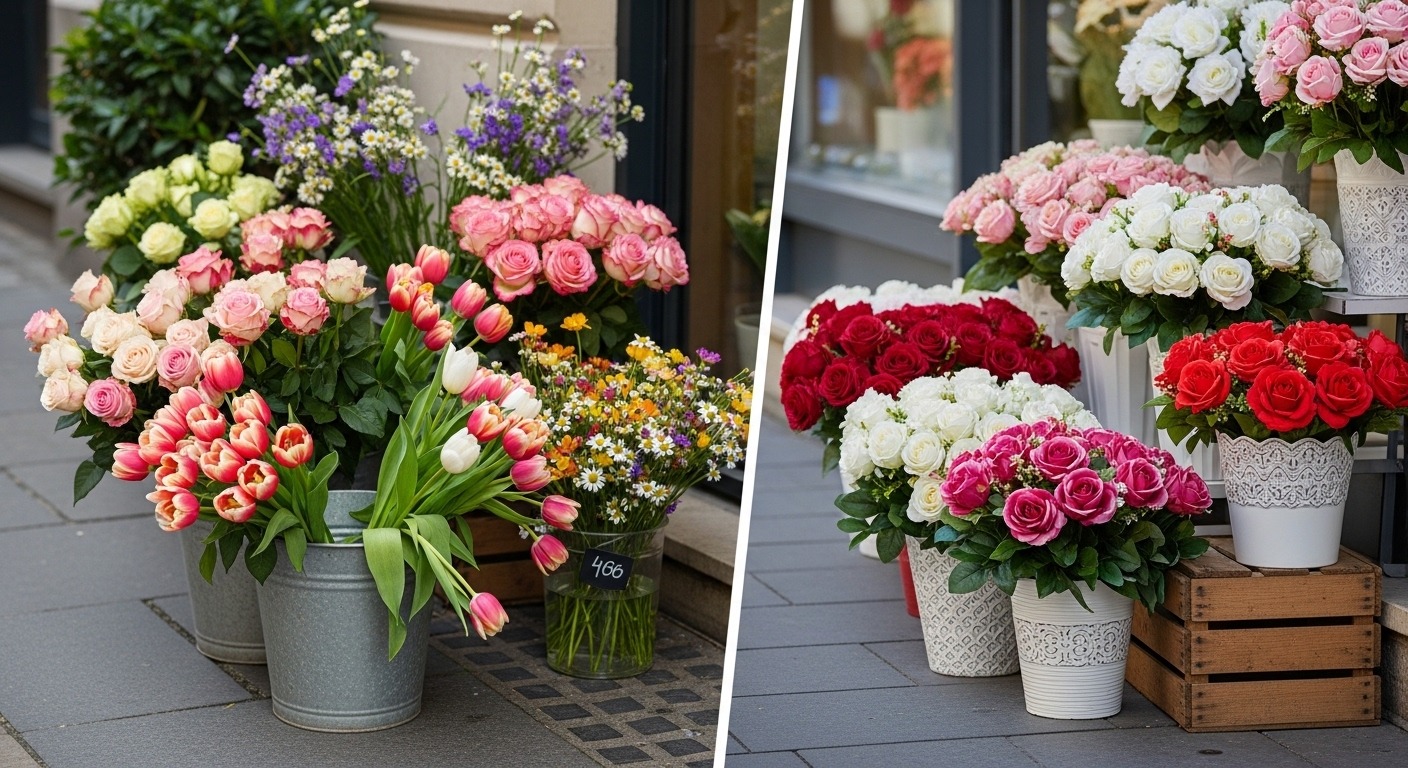
The Living Charm of Fresh Flowers
Fresh flowers offer a sensory delight that artificial ones simply cannot copy. Their vibrant colors, captivating scent, and natural fragrance create an aesthetic appeal that feels refreshing and instantly uplifts moods, adding a soothing ambiance to any space. I’ve always prefer fresh blooms at home because their presence in a home or workspace quietly enhances well-being. Across cultures, flowers carry symbolic meanings and are deeply tied to celebrations, rituals, and even healing practices practiced for centuries. The unique color variations, delicate textures, and seasonal varieties bring a living charm and uniqueness that feels personal, especially when placed in a glass vase.
Fresh blooms also hold strong emotional value, making them ideal for décor and gifting when you want to represent emotions clearly. Roses express love, lilies reflect purity, and orchids suggest luxury, making them meaningful for conveying feelings effectively at special occasions like weddings, anniversaries, and formal events, where arrangements add elegance and sophistication. There are also real health benefits—studies show flowers can reduce stress, improve mood, and boost productivity. From an environmental view, fresh flowers are biodegradable, eco-friendly, decompose naturally, and feel more sustainable than non-biodegradable materials. I still remember a woman I watched carefully arranging pink and yellow tulips—that quiet moment alone explained why fresh flowers matter.
The Practical Strength of Artificial Arrangements
faux blooms have grown in popularity because of their durability and versatility, especially for people who want beauty with low maintenance. With modern innovations in materials and design, they now look highly lifelike, making them a strong alternative to fresh flowers. From my experience in event styling, they are truly long-lasting and cost-effective—they never wilt after a few days, stay vibrant for years, and help in saving money in the long run. Since they are a one-time investment, there is no watering, sunlight, or special care required, only occasional dusting, which makes them very practical.
Artificial flowers are also allergy-friendly for people sensitive to pollen, while still offering full floral beauty. They allow deep customization, with a variety and wide range of colors and designs that can be tailored to any aesthetic, whether classic or modern. Many are weather-resistant and durable, so they don’t fade with heat, humidity, or lack of water, making them ideal for outdoor decorations and long-term displays. A tall vase filled with red and white artificial flowers against a dark wall can look just as striking as fresh ones, without the worry of replacement.
Choosing the Right Blooms for the Right Moment
When you choose to opt for fresh flowers, it is usually because of their natural fragrance and living appeal, especially when the occasion is personal and short-lived. For weddings, birthdays, and romantic gestures, people truly appreciate the seasonal and changing beauty that fresh flowers bring. From my own experience, nothing feels more genuine in these moments, and when sustainability is a concern, biodegradable options make fresh blooms an easy and thoughtful choice.
On the other hand, it makes sense to opt for artificial or faux flowers for long-term arrangements in home or office décor, where staying budget-friendly and low-maintenance matters. They are ideal for people with allergies to pollen, or places that require extreme climates, prolonged outdoor use, or constant display. I often find inspiration in decorating spaces this way—especially when creating a calm haven that holds elegance and warmth effortlessly, which is something I often share through my blog.
Go for Fresh Flowers if:
You value natural fragrance and a truly fresh appeal for a meaningful occasion that is short-lived. Moments like weddings, birthdays, and romantic gestures feel more genuine when people appreciate seasonal varieties and the changing beauty that only fresh flowers bring. From my own experience, these moments feel warmer and more personal when the flowers are alive and expressive.
You also lean toward fresh blooms when sustainability is a concern and you prefer biodegradable options. Knowing the flowers return naturally to the earth adds quiet reassurance, especially when choosing décor that aligns with mindful values while still delivering elegance and emotion.
Opt for Artificial if:
You need long-term floral arrangements for home or office décor where consistency matters. Artificial flowers are a budget-friendly and low-maintenance option, especially for spaces that must always look styled without frequent replacement. From my professional experience, they are often loved by ones who want dependable décor that stays neat every day with minimal effort.
They are also the right choice when allergies to pollen are a concern or when settings require reliable decorations in extreme climates. For prolonged outdoor use, artificial arrangements hold up better against weather changes, making them practical for patios, entrances, and commercial spaces where fresh flowers would struggle to last.
Key Differences You Should Know
One clear feature that sets them apart is appearance. Fresh flowers feel natural and vibrant, while artificial ones may look realistic but often lack true authenticity. Another big difference is fragrance—fresh blooms release a soothing scent, whereas artificial flowers are usually scentless, unless infused. Their lifespan also varies greatly: fresh flowers last a few days or a week, while artificial arrangements can stay beautiful for years with proper care.
In terms of maintenance, fresh flowers need water, sunlight, and regular upkeep, which adds effort and time. Artificial flowers require far less attention and impact overall cost differently—fresh flowers mean recurring replacements, while artificial ones are a one-time investment. Looking at eco-friendliness, fresh flowers are biodegradable, though large-scale farming can have an impact on resources. Artificial flowers are often non-biodegradable, but many are reusable and now come in recyclable options, making the choice more balanced than it first appears.
The Environmental Impact: Finding the More Sustainable Path
The environmental impact of flowers depends on how they are sourced and used, not just whether they are fresh or artificial. Fresh flowers are biodegradable and feel more sustainable, but large-scale production often involves pesticides, excessive water use, and higher carbon emissions from transportation. From my own experience working with décor suppliers, making smarter choices—such as locally grown and organic flowers—can reduce chemical usage and significantly lower their footprint.
“Artificial flowers, on the other hand, are not biodegradable, but they can be reused for years, helping in reducing waste when chosen wisely. Selecting high-quality, recyclable materials and planning to reuse arrangements helps minimize harm. I’ve seen beautiful alternatives like dried and pressed flowers, or even displays that combine natural and artificial elements. I still recall a woman who browses a vibrant selection of blooms arranged in wooden baskets with colorful floral decorations—proof that sustainability can still look thoughtful and inspiring.”
Elegant Décor That Speaks Your Style
Planning a wedding can be overwhelming, but with Occastive by your side, you can relax and enjoy the journey. We handle vendor coordination, venue setup, timeline management, and on-the-day supervision to ensure everything runs smoothly. Our experienced team works behind the scenes so you can focus on celebrating your love story.
Customized Packages to Fit Your Needs
We understand that every wedding comes with different expectations and budgets. That’s why Occastive offers flexible and customized packages tailored to your requirements. From intimate gatherings to large-scale celebrations, we deliver quality, creativity, and professionalism at every level.
Making Memories That Last Forever
At Occastive, our goal is not just to plan events—but to create timeless memories. We combine passion, precision, and creativity to deliver weddings that leave a lasting impression on you and your guests.

